
Rainharvesting Design
Rainharvesting Design
Sustainable Rainwater Harvesting Design for Domestic and Commercial Applications
Reduce mains water consumption and operating costs with professional rainwater harvesting system design - from simple irrigation systems to complex commercial installations.
Overview
Rainwater harvesting captures, stores and reuses rainfall for non-potable applications, reducing mains water consumption, lowering operating costs and demonstrating environmental responsibility.
Is Rainwater Harvesting Right for You?
Water Cost Reduction
Commercial water charges continue rising - harvested rainwater provides free water for non-potable (drinking water) uses, reducing operating costs over decades of building operation. Water usage for non-potable applications:
- Toilet Flushing: Occupancy patterns, flush volumes, dual-flush arrangements
- Washing Machines: Usage frequency, water consumption per cycle
- Irrigation: Landscape area, plant requirements, seasonal patterns
- Industrial Process: Usage rates, quality requirements, seasonal variations
Sustainability Credentials
Corporate sustainability targets increasingly require water conservation measures. Rainwater harvesting demonstrates environmental commitment and contributes to certification scores.
Mains Water Independence
Reducing reliance on mains water improves resilience during supply interruptions and reduces peak demand on water company infrastructure.
Planning Requirements
Some Local Planning Authorities require water conservation measures as planning conditions. Professional rainwater harvesting design satisfies these requirements and demonstrates compliance.
The WCI Difference
WCI Consulting Engineers designs rainwater harvesting systems for domestic and commercial applications, from simple garden irrigation through to complex commercial systems serving toilet flushing, washing, and process water requirements.
Our designs balance capital investment against operational savings, ensuring systems deliver genuine benefit rather than becoming expensive installations with minimal return. We size systems realistically, specify appropriate technology and integrate with building services and site drainage effectively.
Maintenance Perspective
As part of WCI Group, we maintain water systems long-term. Our designs reflect maintenance reality - access for filter cleaning, tank inspection, pump servicing - ensuring systems remain functional for decades, not just at completion.
Drainage Integration
Rainwater harvesting affects site drainage design as reduced runoff from harvested catchments, overflow provisions and drainage network interaction. As drainage specialists, we integrate these elements seamlessly.
Design Methodology - Catchment Assessment
Not all roofs suit rainwater harvesting - we assess suitability and collection efficiency realistically.
Who Should Consider Rainwater Harvesting?
Developers
Residential, commercial and mixed-use developments where rainwater harvesting satisfies planning conditions, achieves sustainability targets, or reduces long-term operating costs for retained buildings.
Architects
Rainwater harvesting design integrated with your building proposals. We coordinate tank locations, pipework routing, and building services integration with your architectural and M&E design.
Commercial & Industrial Clients
Offices, warehouses, manufacturing facilities and institutional buildings seeking to reduce water costs and demonstrate environmental responsibility through rainwater harvesting.
Public Sector
Education, healthcare, and local authority buildings where sustainability credentials, operating cost reduction, and environmental education benefits justify rainwater harvesting investment.
Similar Projects
 Rainharveting Design
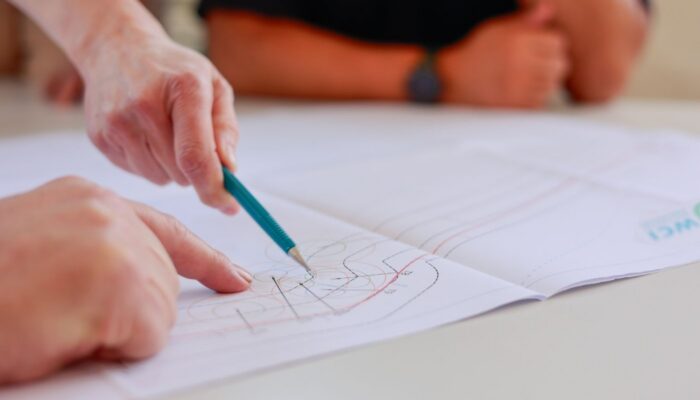
STP and Rainwater Harvesting for a Devon Refurbishment – Shared Trench, Minimal Disruption
West Stone in Devon needed both a new sewage treatment plant and a rainwater harvesting system. WCI Water & Wastewater Engineers specified both and co-located them in a single shared service trench.
 Rainharveting Design
STP and Rainwater Harvesting in a Single Shared Trench at a Refurbished Property
Rainbows End was undergoing a full refurbishment and needed both a new sewage treatment plant and a rainwater harvesting system. WCI Consulting Engineers specified both, sharing service trenches to minimise disruption.
 Wastewater Treatment Design
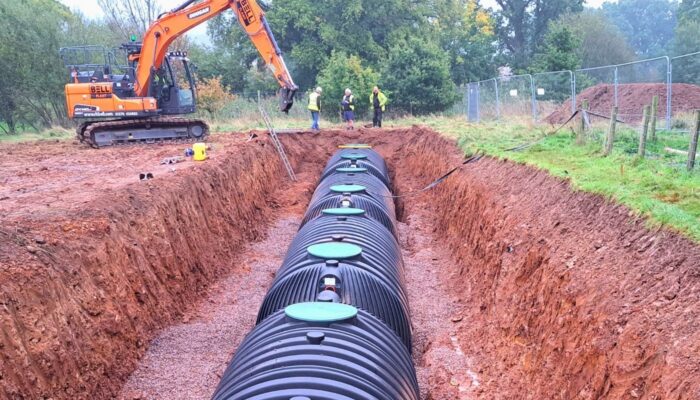
Strategic Drainage Review and New Commercial GRAF STP for a Growing Care Home in Somerset
When Chelston Park nursing home’s treatment system breached its EA permit, WCI Consulting Engineers carried out a comprehensive strategic review before committing to any replacement – and the right solution followed.
Next Steps
Rainwater harvesting reduces operating costs and environmental impact when designed appropriately. Professional design ensures systems deliver genuine benefit and reliable long-term performance.

Discuss Your Rainwater Harvesting Requirements
Request Rainwater Harvesting Design Proposal