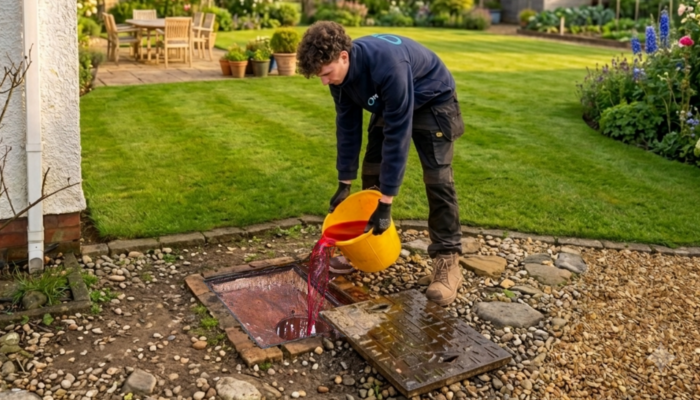
The UK does not do heatwaves by halves. When the temperature climbs and the garden bakes, most people think about sun cream and ice cubes – not their wastewater system. But if you own a property with a septic tank or sewage treatment plant, a prolonged hot spell puts your system under pressures that simply do not apply the rest of the year.
At WCI Group, our Service Engineers cover the Southwest year-round. Every summer – and especially during heatwaves – we see the same preventable problems crop up. This guide explains what is happening inside your system when temperatures soar, and what you can do right now to keep things running smoothly.
Why Hot Weather Is Hard on Septic Tanks and Sewage Treatment Plants
Your septic tank or treatment plant is a biological system. It relies on naturally occurring bacteria to break down waste – and those bacteria are directly affected by temperature. In moderate conditions, the system ticks along quietly. In extreme heat, the balance tips.
Hot weather causes bacterial activity to speed up significantly, which increases gas production inside the tank. That gas has to go somewhere – and the result is the kind of smell that announces itself to the whole garden. At the same time, the ground around your drainage field dries out and compacts in a heatwave, making it far less able to absorb and filter the effluent your system releases into it. The combination of an overactive tank and an underperforming drainage field is a recipe for problems.
The good news is that most heatwave problems are either avoidable or manageable if you know what to look for. Here is what our Service Engineers recommend.
5 Tips for Off-Mains Owners During a UK Heatwave
1. Do Not Ignore Smells – They Are Worse for a Reason
If there was already a faint whiff coming from your system, expect it to intensify in hot weather. Heat amplifies odours from untreated or partially treated wastewater, and increased bacterial activity produces more gas than usual. A smell that seemed minor in May can become genuinely unpleasant by July.
A persistent smell is not just an inconvenience – it is your system signaling that something needs attention. Whether it is a venting issue, a tank that needs emptying, or a deeper drainage problem, a smell investigation by a qualified engineer will get to the source quickly and fix it properly, rather than masking it with chemicals.
2. Spread Out Your Water Use Through the Day
Summer means full houses – especially in the Southwest, where holiday visitors and school holidays bring extra people through the door. More showers, more laundry, more dishwasher cycles all at once puts a sudden, concentrated surge of water through your system.
Practical steps to take right now:
- Avoid running the washing machine, dishwasher, and multiple showers simultaneously
- Space laundry loads across the day rather than doing them all in one go
- If you have guests staying, brief them gently – a quick word now is better than an emergency call-out later
3. Keep Vehicles and Heavy Objects Off Your Drainage Field
Your drainage field – the area of ground where your system releases treated effluent – depends on porous, healthy soil to do its job. During a heatwave, that soil is already under stress: it dries out, compacts, and loses its ability to absorb water effectively.
Parking a car on it, running a garden sprinkler directly over it, or allowing foot traffic to compact it further will only make things worse. Keep the area clear, and do not plant anything with deep or extensive root systems near it either, as roots can work their way into pipework over time.
4. Watch What Goes Down the Drain – Especially After a BBQ
British heatwaves mean barbecues, and barbecues mean fats, oils and grease (FOG) going down the kitchen sink. In cooler weather, FOG solidifies slowly and a well-maintained system copes reasonably well. In a heatwave, the increased bacterial activity and heat means blockages build faster and smell considerably worse when they do.
During hot weather, be especially careful to:
- Wipe pans and trays before washing rather than pouring fat down the sink
- Bin wet wipes, even those labelled ‘flushable’ – they do not break down in off-mains systems
- Avoid pouring chemicals, bleach or antibacterial products down drains in large quantities, as these kill the bacteria your system depends on
5. If Your Alarm Sounds, Act Fast – Do Not Wait and See
Many modern sewage treatment plants have an alarm – usually a light or buzzer – that activates when something is wrong. In normal conditions, an alarm might give you a day or two to investigate before a situation escalates. In a heatwave, that window is much shorter.
A system that was borderline before a heatwave can tip into failure very quickly when temperatures are high and the drainage field is already struggling. If your alarm sounds, or if you notice slow-draining toilets, gurgling drains, or wet patches appearing near your tank or drainage field – call a professional the same day.
WCI Group provide emergency call-outs across the South West. The sooner a problem is diagnosed, the less likely it is to become an expensive repair.
Signs That Your Off-Mains System Is Struggling in the Heat
Contact a specialist if you notice any of the following during hot weather:
- Persistent or worsening smells from drains, manholes, or the garden
- Slow-draining sinks, showers or toilets indoors
- Gurgling sounds from drains or the tank area
- Wet or boggy ground near the drainage field, even without recent rainfall
- An unusually bright green or lush patch of grass over your drainage field – this can indicate effluent surfacing
- Your treatment plant alarm activating
The Longer-Term Fix: Annual Servicing Before Summer Hits
The single most effective thing you can do to protect your off-mains system through a heatwave – and through every season – is to have it professionally serviced annually. A service by a qualified engineer will desludge the tank, check all components are working correctly, assess the condition of the drainage field, and flag any issues before they become failures.
A system that goes into a heatwave well-maintained and recently emptied is in a far stronger position than one that has been left to manage on its own. It is also considerably cheaper than an emergency call-out and remediation work in the middle of August.
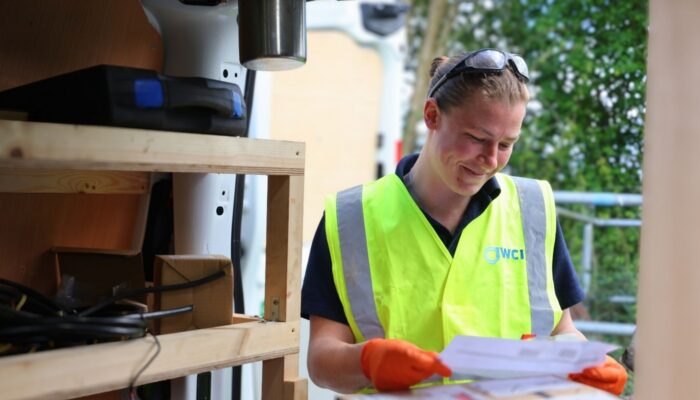
WCI Service Engineers cover septic tank and sewage treatment plant servicing, smell investigations, flow monitoring, water quality checks and emergency call-outs across the South West, including Somerset, Devon, Cornwall and Dorset.
Talk to WCI Group About Your Off-Mains System
If you have concerns about your septic tank or sewage treatment plant this summer – or if you simply cannot remember the last time it was serviced – our team is here to help.
Get in touch with WCI’s Service Engineers
Servicing, surveys, smell investigations, and emergency call-outs across the Southwest since 1983.

 Blog - General