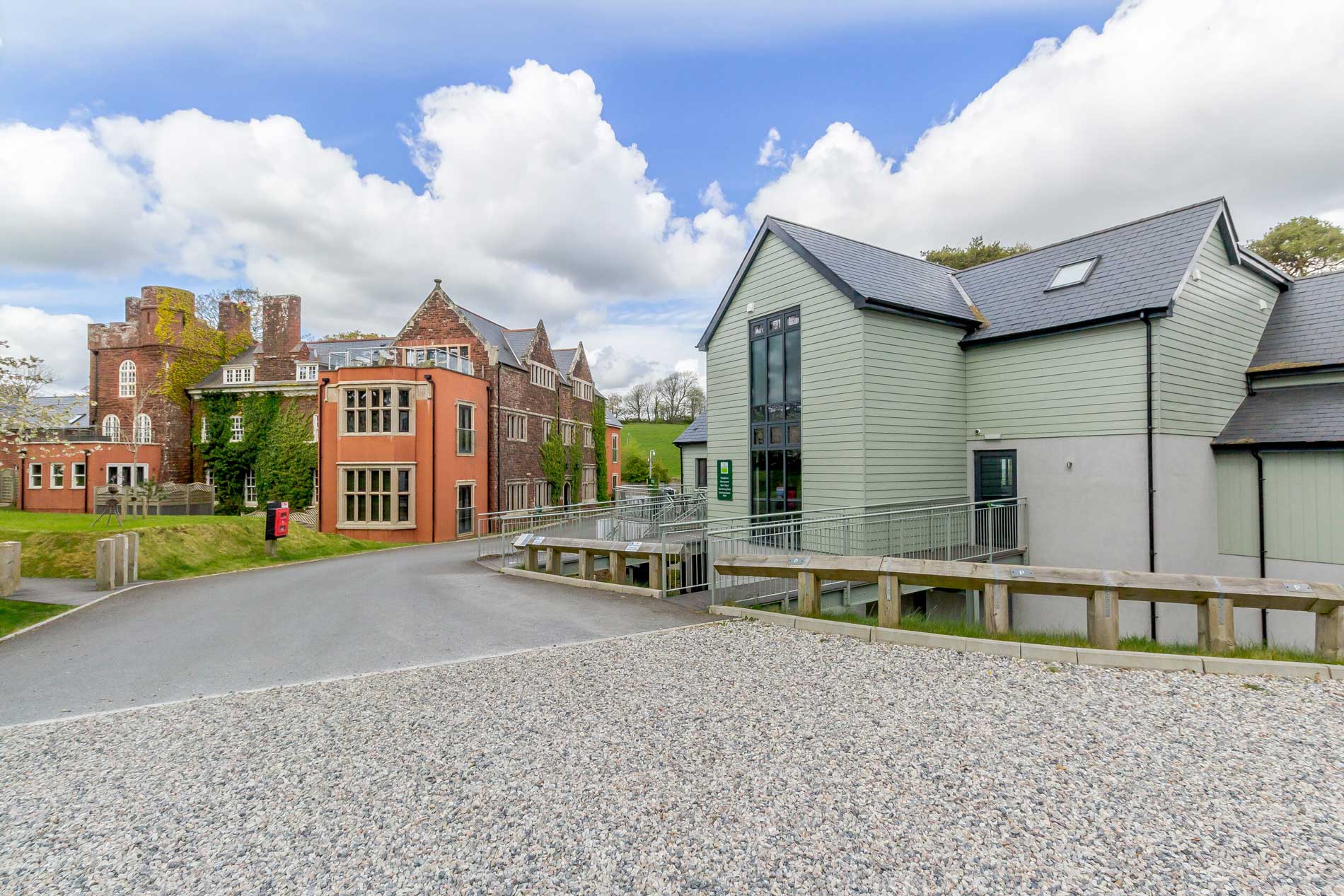
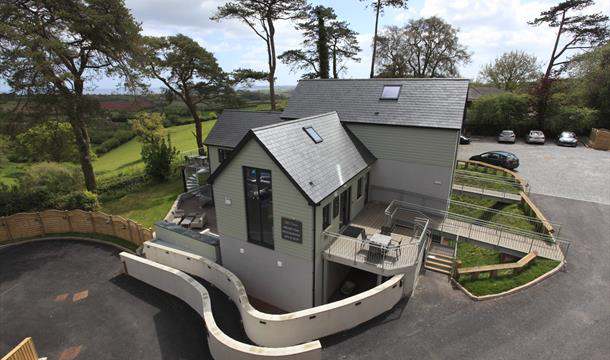
The Arboreteum, now known as Landal Barton Pines, lies above Paignton near the Devon coast.
Originally home to a historic hunting lodge, the site suffers somewhat poor access, has a high coverage of protected mature woodland and yet presented a relatively high density of development. WCI’s brief was to provide detailed design of the foul and surface water drainage for the site before ultimately being awarded the construction package for the specified infrastructure.
Given a shortage of space, WCI designed all elements of the foul and surface water sewers, surface water attenuation and sewage works to be located under roads or car-parks.
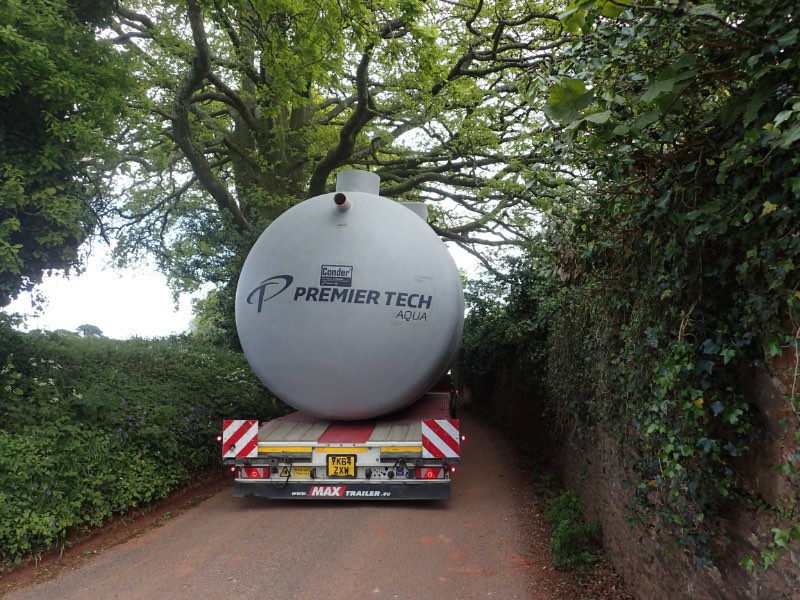
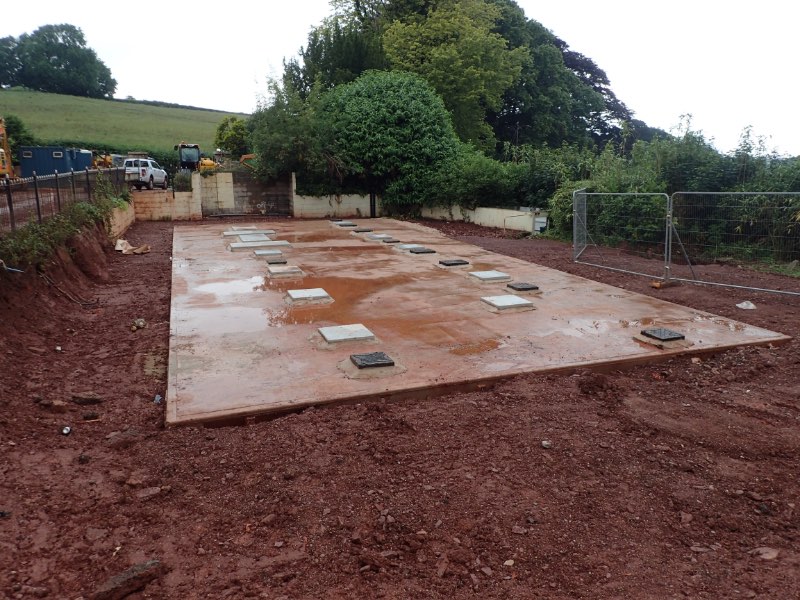
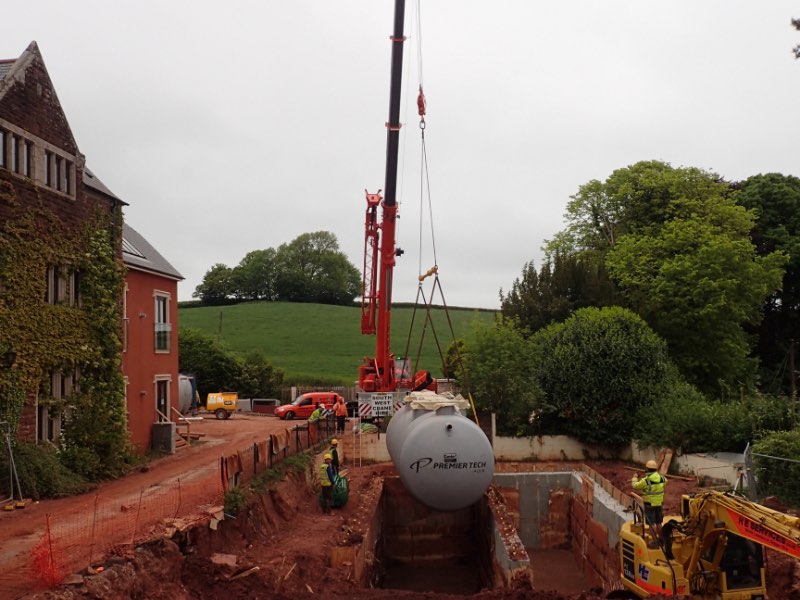
The sewage works, comprising over 150,000 litres of tankage, could only be located in the footprint of an original swimming pool below the original hunting lodge. This presented significant construction-phase challenges and the complexity ultimately supported WCI completing the installation following our detailed design of the intricate drainage and layout. Even the supporting plant room was ultimately located within a ventilated bunker on the perimeter of the site due to lack of space.
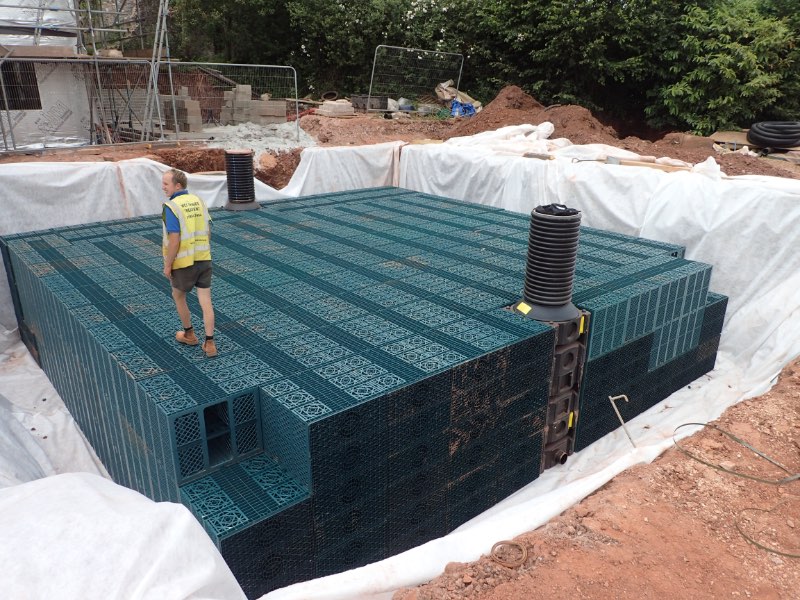
Despite the severe space constraints, a complete sustainable drainage (SUDs) scheme was introduced to the site, particularly as the single point discharge from this hill top site travelled via a high-gradient / high-velocity stream through a school at the foot of the valley. The SUDs scheme was also employed, with the support of the Environment Agency, for water quality management and attenuation of the neutralised drain-down of 46 hot tubs twice a week.